
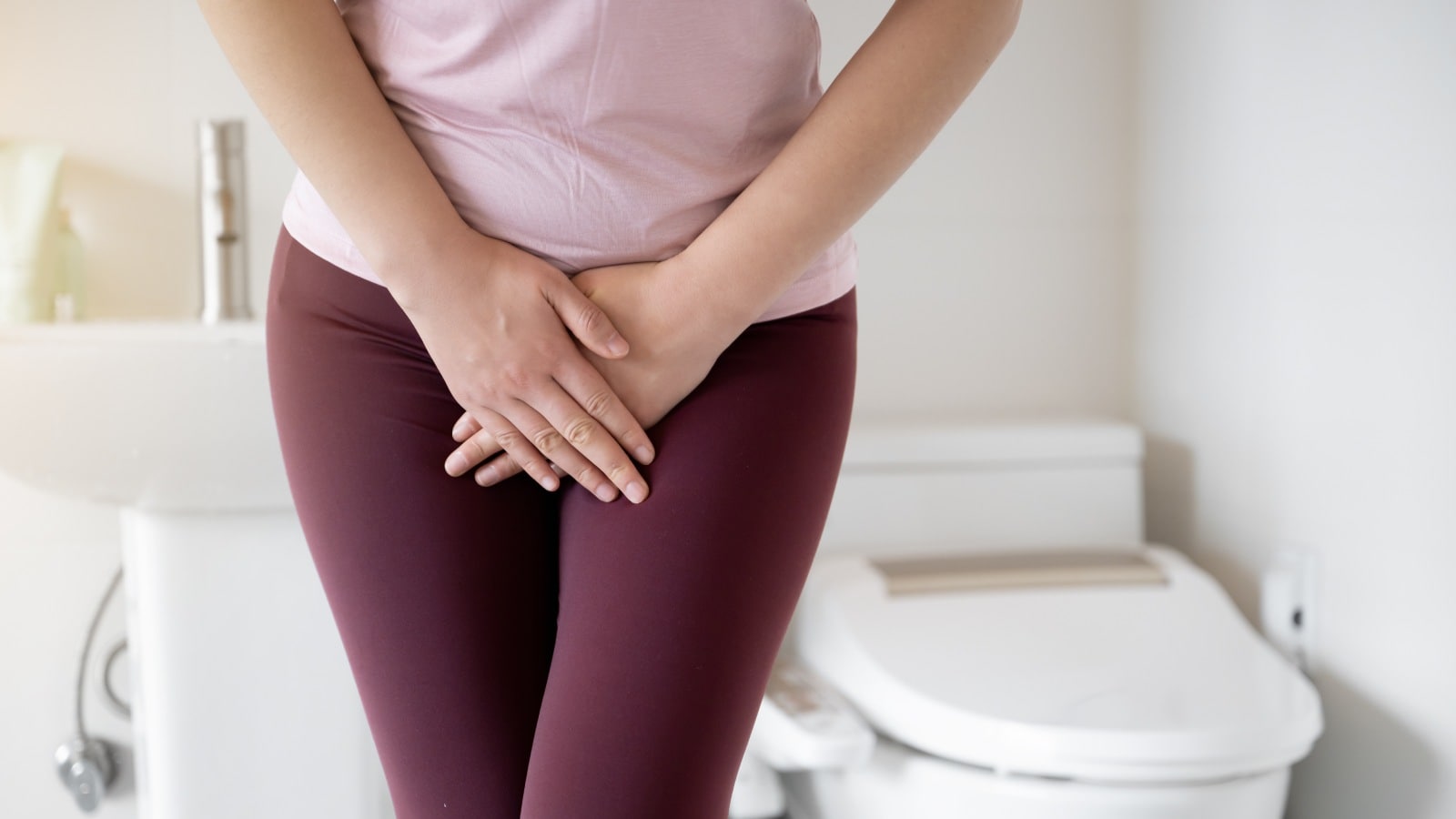
Frequent urination during your period can feel confusing—is it a UTI or just hormones at play? Here’s what experts say about why this happens and when to worry.
Have you ever noticed yourself making extra trips to the bathroom during your period and wondered if something is wrong? Many women experience frequent urination during menstruation and often mistake it for a urinary tract infection (UTI). While it can be concerning, the truth is that hormonal changes, fluid retention, and uterine pressure during your period can all play a role. According to an expert, it is often a normal, temporary response of your body, not necessarily a sign of infection. Understanding the link between your menstrual cycle and bladder health can help you manage these changes better and avoid unnecessary anxiety.
Overactive bladder during periods: What’s happening?
Periods bring more than just cramps and mood swings. They can also trigger what is known as an overactive bladder (OAB). This condition causes a sudden urge to urinate more often, even at night (a symptom called nocturia). Dr Wing Commander (Retd) Sushil D. Garud, MBBS, DNB (OBG), a Consultant Laparoscopic and Uro-Gynaecology Surgeon, explains that during menstruation, shifts in estrogen and progesterone can affect bladder function, making it more sensitive. While it can feel alarming, this does not always indicate an infection. Tracking your symptoms can help you distinguish between hormonal changes and potential urinary issues like UTIs.
The link between menstruation and frequent urination
Here are the most common causes of frequent urination during periods:
1. Hormonal changes
Your hormones fluctuate throughout your cycle. “Around your period, the drop in estrogen and progesterone can affect how your kidneys and bladder process fluids. Before your period starts, many women experience bloating and water retention—once bleeding begins, the body releases that retained fluid, causing more frequent bathroom visits,” explains Dr Sushil. This natural process helps flush out toxins and rebalance hydration levels.
2. Uterine contractions
During menstruation, the uterus contracts to shed its lining, sometimes pressing on the bladder. This added pressure can create a constant urge to pee, even when your bladder is not full. However, if you experience burning, pain, cloudy urine, or fever, it might signal a UTI. In that case, Dr Sushil recommends consulting your doctor for a urine test to rule out infection and get the right treatment.

Debunking common myths about periods and urination
Myth 1: Frequent urination during periods always means UTI
Fact: Hormonal shifts and uterine pressure can also cause increased urination. It is a common and normal response, so there is no need to panic. Still, if symptoms persist or feel unusual, check with your doctor for reassurance.
Myth 2: Drinking less water helps reduce urination
Fact: Cutting back on fluids can actually make things worse. Staying hydrated (2–3 liters a day) helps your body regulate temperature, balance hormones, and prevent infections.
Myth 3: Menstrual hygiene does not affect urinary health
Fact: Poor hygiene or wearing the same pad too long can increase infection risk. Always change pads every 3–4 hours, wear cotton underwear, and avoid harsh soaps or douching. Gently clean the vaginal area with water and wipe from front to back to prevent bacteria from spreading.
When to see a doctor?
If frequent urination comes with pain, burning, or pelvic discomfort, do not ignore it. These could be signs of a UTI or another underlying issue. Listening to your body, staying hydrated, and maintaining proper hygiene can help you manage these symptoms better.
As Dr Sushil sums up, “Frequent urination during your period is often your body’s way of rebalancing itself, not a sign of illness. What matters most is to stay aware, maintain hygiene, and be kind to your body.”

