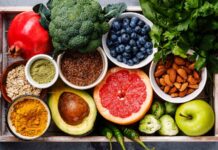
These doctor-recommended superfoods offer gentle nutritional support for menstrual comfort, hormonal balance, and overall gynaecological health in daily routines.
Many women grow up hearing that eating healthily is suitable for their bodies, yet very few understand how deeply food influences their periods, hormones, vaginal health, and fertility. This missing link leaves many unaware of how everyday nutrition shapes gynaecological well-being. The truth is, the right foods can quietly help prevent common health concerns such as Polycystic Ovary Syndrome (PCOS) and painful periods to infections and low energy during menstruation. These aren’t complicated ingredients or restrictive routines; they’re simple foods that fit easily into daily meals and offer real, long-term support.
If you’re trying to take better care of your reproductive health, both practically and sustainably, these seven everyday superfoods can make a meaningful difference, as shared by Dr Vaishali Sharma.
7 superfoods for gynaecological support
1. Flaxseeds
If your periods sometimes come late one month and early the next, or if PCOS is a concern, I find flaxseeds to be a gentle and natural helper. They help your body process estrogen more smoothly. Just one spoon of freshly ground flaxseeds a day (not whole seeds) can support steadier cycles and milder Premenstrual Syndrome days.
How to use: Add one spoon of freshly ground seeds (not whole) to yoghurt or salads.
2. Green veggies
Improves iron levels and supports a healthy blood count. It helps alleviate dizziness, hair loss, and fatigue during menstrual periods. Greens like spinach, methi, bathua, and kale provide nutrients your ovaries and blood count truly need.
How to use: Mix chopped greens into dal or rotis for easy intake.
3. Yoghurt and probiotics
Maintains healthy pH and protects natural flora. It helps with recurrent yeast infections and bacterial vaginosis. These support the friendly bacteria that naturally guard the vagina, easing discomfort and odour.
How to use: A small bowl daily.
4. Turmeric (haldi)
Helps soothe inflammation and discomfort. It helps with cramps, pelvic pain from endometriosis or fibroids. Curcumin, the active part of turmeric, supports gentle healing from within.
How to use: Adding to warm milk or slightly increasing the amount in everyday cooking.
5. Berries
Protects cells from oxidative stress. It helps with egg health and alleviates PMS symptoms, including bloating and mood shifts. Try strawberries, blueberries, or blackberries.
How to use: Having pomegranate or amla for similar support.
6. Omega-3 fats
Helps reduce inflammation and relaxes the uterine muscles. It helps with cramps and inflammation linked to PCOS. Sources include fatty fish (such as salmon and sardines) and vegetarian options like walnuts and chia seeds.
7. Nuts and seeds
Provides minerals that influence hormone balance. It helps with mood stability and overall cycle comfort. Options include pumpkin seeds, almonds, and sesame seeds.
How to use: Keeping a small jar at work and snacking a handful of nuts.
Doctor’s note
While adding superfoods can support smoother cycles and better gynaecological health, balance matters just as much. As Dr Sharma explains, superfoods work best when we also cut back on things that disrupt hormone balance, such as excessive sugar intake, constant snacking on packaged items, or excessive caffeine consumption. The real secret to long-term wellness isn’t eating flawlessly. It’s following a steady, realistic routine. No one needs a perfect diet. Just a consistent one.