High uric acid levels can quietly lead to joint pain, gout and kidney issues if ignored. These 5 natural remedies can help keep uric acid levels in check.
High uric acid levels, or hyperuricemia, are not just about joint pain, they can affect your kidney health and metabolic balance. While medication is sometimes necessary, experts agree that your morning routine and kitchen pantry hold powerful natural tools to manage these levels. From specific fruits that act as natural ‘neutralizers’ to surprising beverages that lower your risk, these lifestyle shifts can help you reclaim mobility and prevent future flare-ups.
Health Shots reached out to rheumatologist Dr Naval Mendiratta, who says, “With the right food choices, hydration habits and physical activity, uric acid levels can often be managed naturally.”
Why high uric acid levels should not be ignored?
High uric acid levels, medically known as hyperuricemia, can cause needle-like crystals to form in the joints, leading to pain and inflammation. A 2016 study published in Molecular Basis of Nutrition and Aging explains that excess purine intake and poor elimination by the kidneys are key contributors. If left unmanaged, high uric acid may also increase the risk of kidney disease and obesity-related complications.
Which fruits are best for lowering uric acid?
Certain fruits contain specific acids and antioxidants that directly combat uric acid buildup:
1. Apples: Packed with malic acid, apples help neutralize uric acid in the bloodstream, while their high fiber content absorbs and eliminates excess waste.
2. Bananas: Naturally low in purines, bananas are rich in potassium, which helps the kidneys flush out sodium and uric acid more effectively.
3. Cherries: These are considered a superfood for gout because of anthocyanins. These anti-inflammatory compounds prevent crystals from forming in the joints.
Can coffee and tea really help?
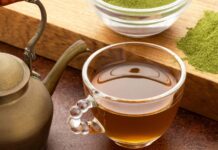
Surprisingly, your morning brew might be a secret weapon. A study in The American Journal of Clinical Nutrition found that moderate coffee consumption is linked to a decreased risk of gout. Coffee contains antioxidants that improve insulin sensitivity, which indirectly helps the body manage uric acid. Similarly, green tea is rich in catechins that can reduce the body’s overall production of uric acid.

What foods should you avoid?
To keep levels in check, you must limit foods high in purines and fructose:
1. High-purine foods: Red meat, organ meats (like liver), and certain seafood can significantly spike levels.
2. Alcohol: Beer is particularly dangerous for those prone to gout as it interferes with the kidneys’ ability to process waste.
3. High fructose: Research shows that high-fructose corn syrup, found in soda and packaged candies, can raise uric acid levels within minutes of ingestion.
Are there expert-backed home remedies?
Nutritionists often recommend specific spices and seeds to aid digestion and reduce inflammation:
1. Ajwain (carom seeds): According to Dr Mendiratta, the omega-3 fatty acids in ajwain help regulate elevated levels. Drinking ajwain water on an empty stomach can help flush out stones and detoxify the system.
2. Turmeric: Curcumin, the active compound in turmeric, is a potent anti-inflammatory. To make it effective, pair it with black pepper and a healthy fat (like coconut oil) to help the body absorb it.
3. Ginger: While it does not lower levels directly, its anti-inflammatory properties are excellent for managing the swelling and pain during an active gout attack.
How do hydration and exercise help?
Drinking enough water is one of the simplest and most effective ways to reduce uric acid levels. “Proper hydration helps the kidneys flush excess uric acid out of the body through urine,” says Dr Mendiratta. Aim for about 8 glasses (around 2 litres) of water daily, unless advised otherwise by your doctor. Avoid extreme overhydration, as it can disturb electrolyte balance.
Can exercise help reduce high uric acid levels?
Regular physical activity improves circulation and supports kidney function, helping the body eliminate uric acid more efficiently. Dr Mendiratta explains that activities like brisk walking, cycling, or light jogging are ideal. Avoid intense workouts during flare-ups, as excessive strain can temporarily raise uric acid levels.