Six simple doctor tips to protect lungs and improve air quality during winter’s toxic pollution, ensuring better health and well-being.
Rising air pollution is making breathing, one of the most basic necessities of life, difficult. The toxic air quality is leading more people to experience respiratory issues, allergies, and heart problems. To protect yourself from air pollution, you can follow a few simple tips. These strategies can help you breathe easier and stay healthier, whether you are indoors or outdoors. With rising pollution, these easy steps are important for your health.
How to breathe better in poor air quality?
You can adopt simple daily habits to mitigate the adverse effects of this toxic air, Dr Leelamohan PVR, Consultant Physician, tells Health Shots.
-
Monitor air quality index (AQI)
The Air Quality Index (AQI) shows how polluted the air is and the potential health effects. I encourage everyone to check the AQI before going outside. Many apps and websites provide real-time data. On days when the AQI is “very poor” or “severe”, think about staying indoors. This is especially important for sensitive groups, such as children, older adults, and people with existing lung conditions.
2. Wear a mask the right way
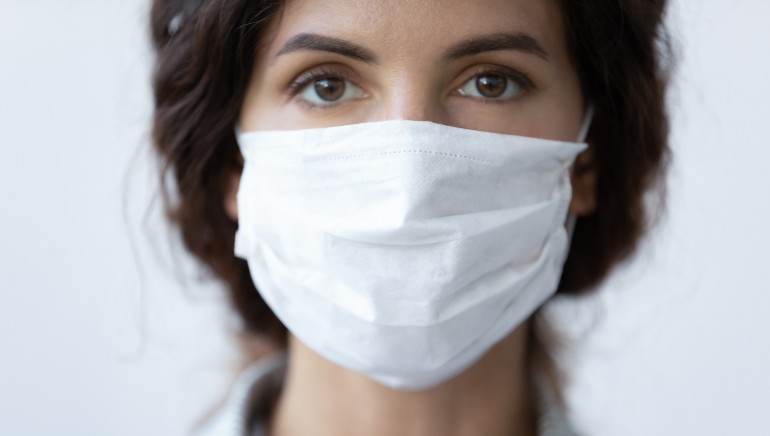
Not all masks are equally effective at filtering small particles. N95 masks are designed to filter out 95% of particles 0.3 microns or larger. “This makes them much better than regular cloth or surgical masks,” explains the doctor. Make sure your mask fits snugly so that it seals completely around the edges. This helps prevent unfiltered air from getting in, but it might feel less comfortable than a regular mask.
3. Seal your indoor spaces
Indoor air can be more polluted than outdoor air. To keep your home air cleaner during peak pollution times, keep your windows and doors closed. “Consider buying an air purifier with a HEPA filter to reduce dust and other particles in your home,” suggests the expert. Additionally, limit the use of candles or incense, as they can worsen indoor air pollution.
4. Stay hydrated
Water is important for your body, especially when dealing with air pollution. Drinking enough fluids helps keep the membranes in your airways healthy, so they can better trap pollutants. “Make it a habit to drink enough fluids throughout the day”, suggests the physician. Herbal teas and warm lemon water are nice options. Also, add fruits and vegetables with high water content, like cucumbers, oranges, and leafy greens, to boost your hydration.
5. Load up on nutrients, especially vitamin C
Eating a diet high in antioxidants and anti-inflammatory foods can help protect your body from pollution. Focus on vitamin C-rich foods like citrus fruits and bell peppers to strengthen your immune system. “Omega-3 fatty acids, found in fish and flaxseeds, can also help reduce inflammation in your body”, says Dr Leelamohan. Leafy greens, beans, and nuts are also great natural anti-inflammatories. Make your meals colourful with seasonal veggies and fruits to get a wide range of nutrients.
6. Manage existing health conditions
If you have asthma, Chronic Obstructive Pulmonary Disease (COPD), or heart disease, managing your health is especially important. Poor air quality can make these conditions worse and lead to serious problems. “Make sure to take your medications as prescribed and follow your action plan,” the physician suggests. Talk to your doctor about how to stay healthy during the winter months. Don’t hesitate to ask for advice that fits your specific health needs.