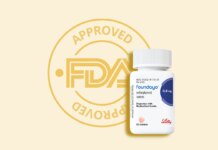
Ozempic’s FDA label warns that pancreatitis has been reported in clinical trials, and that anyone experiencing pancreatitis should permanently discontinue using the medication.
But the expert consensus is now that semaglutide and other GLP-1 drugs do not increase the risk of pancreatitis, says Drucker.
There’s a second issue: GLP-1 drugs can trigger the release of enzymes that are associated with pancreatic disorders.
When patients tell their doctors that they have abdominal pain (a common side effect of GLP-1 drugs), and a blood or urine test shows elevated amylase or lipase levels, “that’s two out of three criteria for pancreatitis,” says Drucker. When a GLP-1 is the apparent cause, however, an imaging scan of the pancreas isn’t needed to confirm a diagnosis, but may be necessary to rule out other causes.
“Now we have much more data and we really don’t see an increase in pancreatitis standing out with the GLP-1 medicines,” says Drucker.
Pancreatitis Symptoms
On the official Ozempic label, the FDA reports that pancreatitis is characterized by “persistent severe abdominal pain, sometimes radiating to the back and which may or may not be accompanied by vomiting.” Other potential symptoms of pancreatitis include fever, elevated heart rate, and greasy or yellow stool.
Acute pancreatitis usually comes on quickly, and typically lasts only a handful of days. The disease may require an extended stay in the hospital. In a minority of cases it can lead to severe outcomes, including death.
Chronic pancreatitis, in which symptoms do not improve or keep reoccurring, is most commonly caused by alcohol abuse.