Learn simple ways to improve your nail health and identify common problems to keep your nails strong and looking good.
Do you find it frustrating when your nails are brittle and chip easily? Have you noticed unusual spots on your nails? These issues can reveal important information about your nail health and overall well-being. A study in the Indian Dermatology Online Journal shows that your nails reflect your overall health. Problems with your nails can indicate lung issues or allergies. What are your nails trying to tell you?
What does nail colour say about your health?
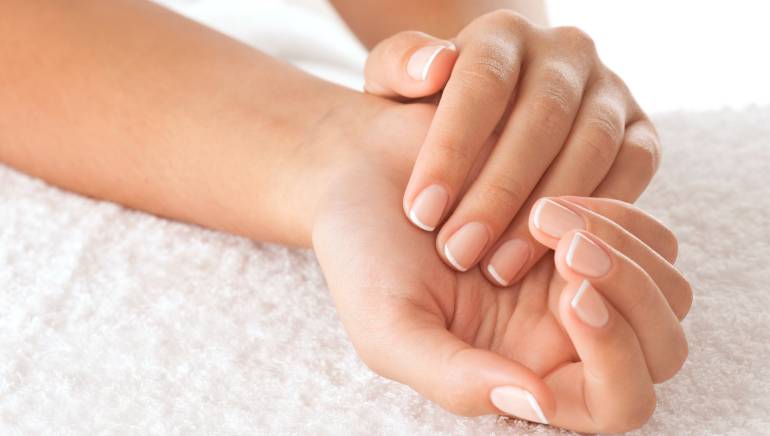
To check your nail health, start by looking at its colour. “Healthy nails should be pink, with a small white area at the base called the lunula,” Dr Neeharika Goyal, Dermatologist, tells Health Shots. If you notice any colour changes, it may indicate a health problem.
- Yellow nails: If your nails are yellow, it might mean you have a fungal infection, respiratory issues, or diabetes. It’s important to pay attention if this change doesn’t go away, as you may need to see a doctor.
- Pale or white nails: If your nails suddenly turn pale or completely white, it may signal health issues such as anaemia, liver disease, or heart problems. This change is not just about looks; it shows how well your body can supply blood and nutrients.
- Bluish nails: A serious warning sign. They often indicate low oxygen levels in the blood. “This can happen due to conditions like chronic obstructive pulmonary disease (COPD) or congenital heart disease”, says the doctor.
What is a healthy nail texture?
Now that we’ve discussed colour, let’s look at the texture and thickness of your nails. These aspects are also important for understanding your nail health.
- Thick or brittle nails: If your nails are very thick or brittle, it may be a sign of a problem such as a fungal infection, psoriasis, or thyroid issues. These problems can disrupt nail growth, leading to noticeable changes.
- Softness, peeling, or ridges: If your nails are soft or peeling, it could be a sign of insufficient nutrients, especially iron, protein, or essential vitamins. “Ridges on your nails, especially horizontal ones called Beau’s lines, can appear after severe illness, a high fever, or chemotherapy”, says Dr Goyal. This means your body has been under a lot of stress.
- Texture changes: Ridges on your nails can indicate health problems. If you see these lines becoming more noticeable, it might be a good idea to see a healthcare professional.
What does the shape of your nails say about your health?
When we look at nails, it’s important to pay attention to their shape and growth. What you notice in these areas can give you important clues about your nail health and overall well-being.
- Spoon-shaped nails: If your nails curve upward at the ends, forming a spoon shape, it may indicate iron-deficiency anaemia. This condition affects your body’s ability to make enough red blood cells.
- Clubbing: Swelling at the tips of your fingers that makes your nails curve around the fingertips. This can happen with lung diseases or heart problems and should not be ignored.
- Growth rate: Are your nails growing too fast or too slow? Slow nail growth may occur as you age, due to poor nutrition, or as a result of specific health problems. “Fast nail growth could signal conditions like hyperthyroidism”, shares the expert. Keeping an eye on how your nails grow can give you insights into your overall health.
What health issues can your nails tell about you?
Nail health can show unusual but important signs. For example, dark streaks or spots under the nails are rare but could mean melanoma, a serious skin cancer. Horizontal white lines or spots may indicate various health issues or past injuries to the nail area.
Disclaimer: At Health Shots, we are committed to providing accurate, reliable, and authentic information to support your health and well-being. However, the content on this website is intended solely for informational purposes and should not be considered a substitute for professional medical advice, diagnosis, or treatment. Always consult a qualified healthcare provider for personalised advice regarding your specific medical condition or concerns.